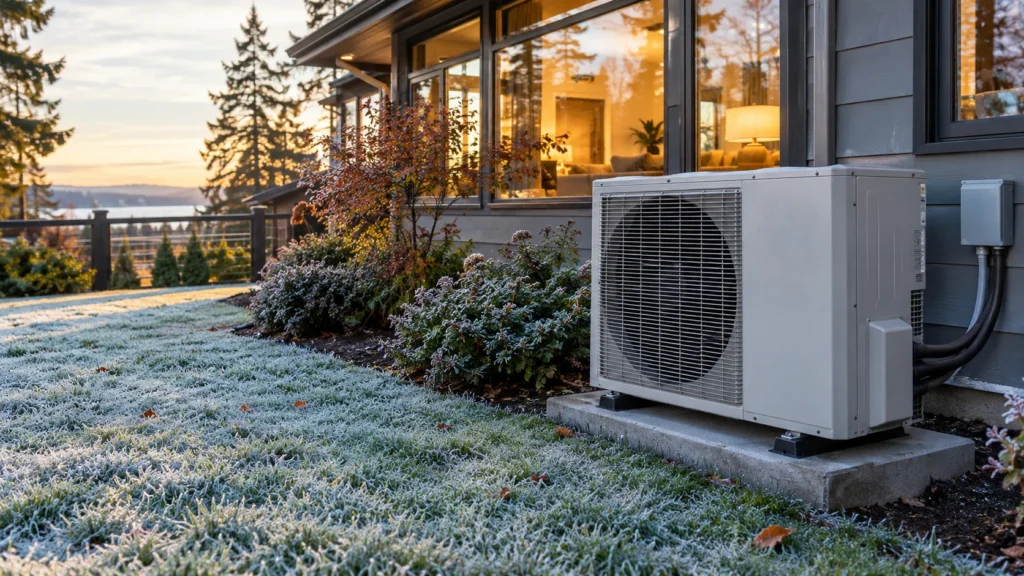
Late autumn frost in Spokane Valley, WA, often catches heating systems unprepared as outdoor temperatures drop toward freezing. When sudden cold snaps hit, homeowners need dependable heat pump repair in Spokane to maintain steady indoor warmth and protect vital system components. Pace Plumbing delivers rapid technical response to prevent total heating outages during critical weather transitions.
Our experts see a sharp rise in urgent service calls when early freezes force heat pumps to switch modes rapidly. Mechanical stress during these temperature shifts frequently leads to electrical failures or stuck components. Our team inspects every critical mechanism to keep heating equipment operating reliably throughout severe weather.
We check electrical connections, refrigerant pressure, and airflow balance to prevent unexpected shutdowns. Regular autumn maintenance catches worn components before sub-zero temperatures arrive. Our professionals restore full system heating capacity, so your home stays safe during harsh weather.
Professional Cold Weather Heat Pump Response in Eastern Washington
Pace Plumbing supplies emergency cold weather heat pump diagnostics and rapid mechanical repairs throughout the greater Spokane area. Our licensed technicians restore heating performance quickly by repairing reversing valves, auxiliary heat strips, and critical electrical components.
Sub-zero temperatures require every internal component of your heat pump to operate at peak performance. Sudden drop-offs in outdoor air temperature increase mechanical strain and expose underlying system weaknesses. We deliver targeted repair solutions that address severe weather stressors before complete heating failure occurs.
Our experts conduct precise diagnostic evaluations on units struggling to produce warmth during freezing conditions. Cold weather causes motors to draw higher electrical current and refrigerant pressures to drop. Our team resolves these underlying technical issues to restore efficient heating performance.
Key Winter Heat Pump Failure Points in Cold Weather
Early frost presents unique operational challenges for heat pumps transitioning from mild autumn weather to sustained freezing temperatures. Rapid temperature changes cause metal components to expand and contract, which accelerates mechanical wear. We analyze these failure points to deliver accurate technical repairs.
Reversing Valve Failures During Late Autumn Frosts
Reversing valves switch refrigerant flow between cooling and heating modes when outdoor temperatures drop. Frost build-up and physical wear can jam the inner slide mechanism or burn out solenoid coils. Our technicians test voltage supply and pressure differentials to ensure smooth mode transitions during sudden freezes.
Stuck reversing valves often trap heat pumps in cooling mode or lock them in defrost mode. This failure prevents the unit from delivering warm air to your living space. We replace damaged solenoids and clear valve obstructions to guarantee reliable heating output.
Auxiliary Heat Strip Lockout and Heating Deficits
When outdoor temperatures drop below 35 degrees Fahrenheit, heat pumps rely on electric auxiliary heat strips to keep your home warm. Tripped limit switches, burned contactors, or broken heating coils prevent secondary heat from turning on. Our experts measure current draw and verify control wiring so emergency heat strips engage correctly during deep freezes.
Defective auxiliary heat systems force heat pumps to run continuously without reaching desired thermostat settings. Continuous operation drives up electricity bills and causes excessive wear on compressor motors. Our team replaces damaged heating elements and restores proper sequencer operation to protect your equipment.
Technical Diagnostic Steps for Sub-Zero Protection
Systematic technical testing ensures heating systems withstand prolonged freezing temperatures without sudden shutoffs. Our professionals follow industry standards to verify mechanical integrity and prevent catastrophic cold weather breakdowns.
- Testing reversing valve solenoid resistance and pressure differentials during mode changes.
- Measuring electrical current on auxiliary heating elements and thermal limit controls.
- Evaluating outdoor coil defrost controls and sensor calibration to prevent severe ice accumulation.
- Verifying refrigerant charge levels to maintain optimal heat transfer efficiency.
Our team uses calibrated diagnostic tools to measure electrical current and refrigerant pressures at every operating stage. We adjust control settings and replace failing parts to restore optimum system capacity. We ensure your heating equipment delivers consistent performance when local weather conditions reach freezing levels.
Our experts examine outdoor fan motors and defrost sensors to prevent ice accumulation on outdoor coils. Heavy ice build-up restricts airflow and lowers heating efficiency during prolonged cold snaps. Pace Plumbing cleans coils and recalibrates defrost timers to keep outdoor units running freely.
Further Reading:
- Winter Furnace Issues That Call for Professional Service
- Is It Normal for My Heat Pump to Struggle Below Freezing Temps?
Safeguarding Home Comfort Through Emergency Service
We respond immediately when winter cold snaps threaten residential heating performance across Eastern Washington. Our team resolves mechanical lockouts, electrical failures, and airflow restrictions with certified technical expertise. Rely on our skilled technicians to keep your heating safe and efficient all season long.
Contact Pace Plumbing today to schedule your professional heat pump repair in Spokane.