A clogged drain can disrupt daily routines quickly, especially during busy seasons when kitchens, bathrooms, and laundry rooms see heavier use. When homeowners call us about a Spokane clogged drain, the cause is often something that built up gradually inside the line rather than a single sudden event. Pace Plumbing clears residential clogs across Spokane and the surrounding areas, and we see the same root causes repeat from home to home, even when the symptoms look similar.
Below are the most common causes of drain blockages we encounter during professional drain cleaning, along with conditions that increase the likelihood of clogs in Spokane-area homes.
Grease and Food Residue in Kitchen Lines
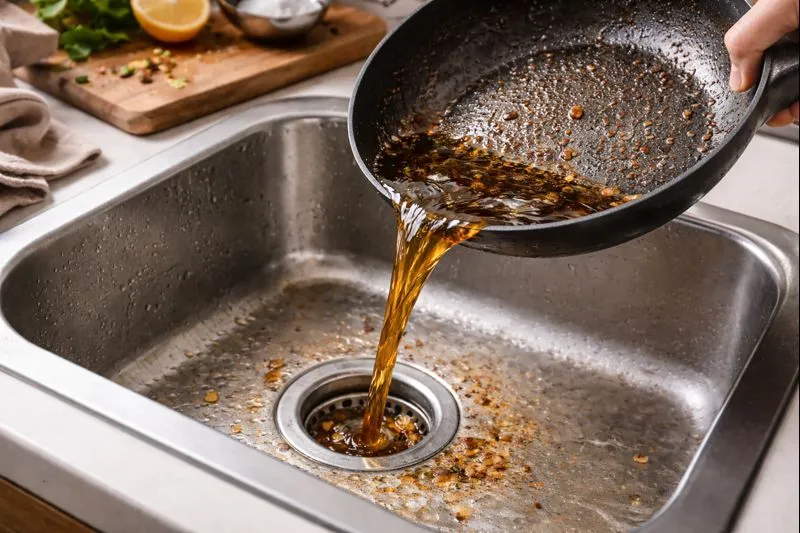
Kitchen drain clogs are often caused by what goes down the sink during meal prep and cleanup. Grease, cooking oils, and fatty food residue can accumulate in the interior of drain pipes. Over time, that coating narrows the passageway and traps additional debris, slowing drainage and increasing the risk of a complete blockage.
Food waste can add to the problem, even in kitchens with garbage disposals. Disposals break food into smaller pieces, but they do not remove it from the plumbing system. Starchy scraps and fibrous food remnants can accumulate in the line, causing recurring kitchen clogs.
Hair and Product Buildup in Bathroom Drains
Bathroom clogs often form when hair collects and tangles inside the drain line. Hair does not break down in water, so it can snag on small rough spots in the pipe and build into a dense obstruction. Soap residue, shampoos, and other products can bind to that hair and make the clog harder to clear.
In Spokane-area homes, mineral content in the water can contribute to buildup that helps debris stick inside the pipe. When mineral scale forms a rough interior surface, hair and soap residue can adhere more tightly than on smoother piping.
Multiple Fixtures Backing Up From a Deeper Blockage
When a blockage is near a single sink or tub, symptoms usually remain localized. When more than one fixture is draining slowly or backing up, the blockage may be located deeper in the system, including in a main drain line. These situations often feel more disruptive because they impact household routines across bathrooms, kitchens, or laundry spaces.
A deeper clog can also be harder to pinpoint without professional inspection. The goal is to identify the restriction and clear it completely, not just improve flow for a short time.
Tree Root Intrusion in Underground Lines
Tree roots can become a major contributor to drainage issues when they intrude into underground lines. Roots seek moisture and can enter through small cracks or joints. Once inside, they can catch debris and restrict flow. Root-related problems often affect the main line, leading to broader drainage issues throughout the home.
This type of issue is more likely when clogs recur even after prior clearing. A professional evaluation helps determine whether the restriction is due to debris buildup or a structural problem within the line.
Items That Should Never Go Down a Drain
Some clogs happen because items that do not belong in plumbing lines end up there anyway. In bathrooms, wipes and hygiene products can lodge in drain lines, causing blockages. In kitchens, food scraps that do not flow well through pipes can cause blockages, especially when combined with grease residue.
Even when a drain appears to recover briefly, these items can remain in the line and later catch additional debris. That is one reason some clogs return sooner than expected.
Why Professional Drain Cleaning Addresses the Real Cause
Drain symptoms can appear similar even when the underlying cause differs. Pace Plumbing begins drain cleaning by inspecting the affected drain to locate the blockage and select the most effective clearing method. We use professional tools designed to clear tough clogs without harming pipes. This approach supports better outcomes than treating surface symptoms alone, especially when the issue involves deeper buildup, multiple fixtures, or a main line restriction.
When homeowners are dealing with recurring backups, slow drainage that affects more than one fixture, or a Spokane clogged drain that returns soon after flow improves, a professional evaluation helps identify what is actually happening inside the line.
Further Reading:
- Emergency Heat Triggers in Spokane Heat Pumps: Causes and Fixes
- Trouble in the Pipes: What Causes Sink Backups in Spokane Homes
Clear Next Steps for Better Drain Performance
A clogged drain is not always caused by the same issue, even when it appears to be from the surface. Kitchen buildup, bathroom debris, mineral scale, laundry residue, and deeper line restrictions can all cause similar symptoms, which is why proper inspection is essential. Addressing the root cause restores reliable drainage and reduces recurring disruptions.
Contact Pace Plumbing for a thorough evaluation and service when a Spokane clogged drain interferes with daily use.