Cold winter weather in Spokane can push home heating systems to their limits, especially when temperatures remain below freezing for extended periods. Homeowners searching for “heat pump repair near me” often do so after noticing that their heat pump is not keeping up during the coldest days. While heat pumps are designed to provide heating in winter, struggling performance during freezing conditions can signal underlying issues that require professional attention.
Pace Plumbing provides professional HVAC repair services in Spokane for homes and small businesses, helping restore reliable heating when systems fail to perform as expected. Understanding how heat pumps behave in cold weather helps explain when reduced output is normal and when it requires repair.
How Heat Pumps Operate During Cold Weather
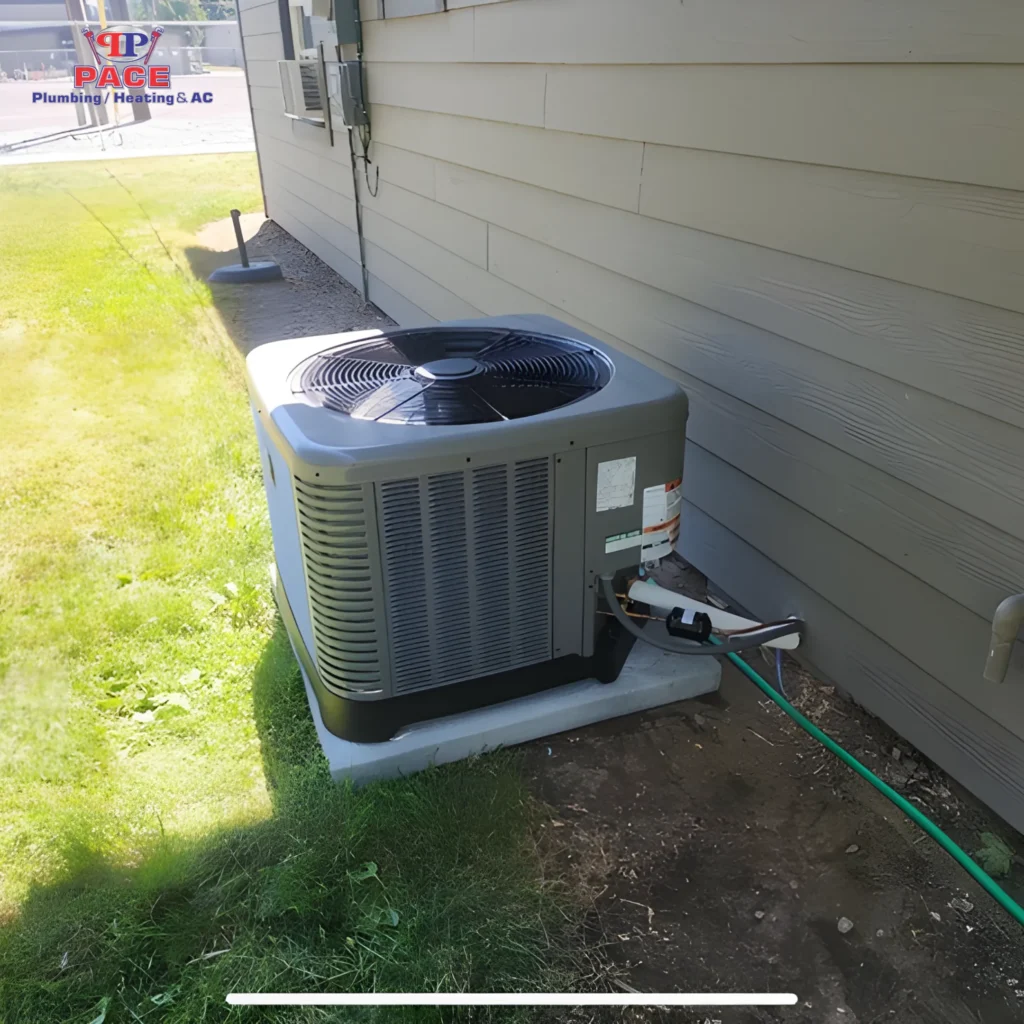
Heat pumps work differently from traditional furnaces. They operate by moving existing heat from the outdoor air into the home rather than producing heat on their own. As outdoor temperatures drop, the amount of available heat in the air decreases, making the system work harder to maintain indoor comfort.
During mild winter conditions, heat pumps typically operate efficiently. As temperatures fall below freezing, the system may run longer cycles to meet heating demand. This increased workload can make performance changes more noticeable to homeowners.
When Reduced Performance Is Expected
Some performance decline during freezing temperatures is normal for heat pumps. Longer run times, warmer air that feels less hot than furnace output, and slower temperature recovery can all occur during cold weather.
These behaviors alone do not necessarily indicate a problem. However, the system should still provide consistent heat and maintain indoor comfort without frequent interruptions or extended cold periods.
Signs a Heat Pump Is Struggling Beyond Normal Limits
A heat pump that struggles excessively below freezing may exhibit warning signs of repair needs. These signs include rooms failing to warm up at all, noticeable drops in indoor temperature, or the system turning on and off repeatedly throughout the day.
Other indicators may include unusual sounds during operation, weak airflow from vents, or the system running continuously without improving comfort. When these symptoms appear, professional evaluation becomes important.
Airflow Issues That Affect Cold-Weather Performance
Proper airflow is critical for heat pump operation, especially during winter. Restricted airflow can limit the system’s ability to transfer heat efficiently, worsening cold-weather performance.
Blocked vents, internal buildup, or worn components can interfere with airflow and place additional strain on the system. During freezing conditions, these issues are often exacerbated, requiring repairs to restore normal operation.
Mechanical Wear and Component Stress
Cold weather increases overall system demand. Over time, components in a heat pump can wear, affecting performance. Motors, sensors, and internal controls must function correctly for the system to maintain steady heating.
When parts begin to wear or malfunction, the heat pump may struggle more noticeably in freezing temperatures. Identifying mechanical issues early helps prevent further performance loss during winter.
Defrost Cycles and Their Impact
Heat pumps periodically enter defrost mode to remove frost buildup from the outdoor unit. During this process, the system temporarily pauses heating while clearing ice. Short defrost cycles are expected in cold, humid conditions.
However, frequent or prolonged defrost cycles can reduce heating output inside the home. If defrost behavior becomes excessive or disrupts comfort, professional service may be required to address control or component issues.
How Pace Plumbing Approaches Heat Pump Repair
Pace Plumbing approaches HVAC repair with a thorough inspection process designed to identify the cause of performance issues. Technicians evaluate airflow, system controls, and mechanical components to determine why the heat pump is struggling during cold weather.
Once the issue is identified, targeted repairs are completed to restore proper operation. This process focuses on resolving the underlying problem rather than applying temporary fixes. All repairs are performed in line with local safety requirements to support dependable winter heating.
Pace Plumbing services residential and small-business heating systems in Spokane, addressing cold-weather performance concerns through professional repair practices.
When to Schedule Professional Service
If a heat pump cannot maintain indoor comfort during freezing temperatures, professional repair should not be delayed. Ongoing performance issues can place additional strain on the system and increase the likelihood of further damage.
Early service helps restore heating reliability and supports consistent comfort throughout Spokane’s winter season.
Understanding What Is Normal Versus a Repair Issue
While some performance changes are expected during freezing weather, a heat pump should still provide dependable heating. Repeated cycling, extended cold indoor conditions, or unusual operation patterns often indicate repair needs rather than normal winter behavior. Knowing the difference helps homeowners act before small issues become larger problems.
Further Reading:
- Preventive HVAC Maintenance That Helps Systems Last Longer and Run More Efficiently
- Indicators That Suggest It May Be Time to Replace a Heater System
Reliable Heating Support During Spokane Winters
Heat pumps can operate effectively in winter, but freezing temperatures can expose underlying issues that affect performance. Professional evaluation helps determine whether a system’s behavior is expected or requires repairs to restore reliable heating.
Schedule professional “heat pump repair near me” with Pace Plumbing to address cold-weather performance issues and restore dependable heating.